

Analysis of Process Upgrading and Industry Competitiveness in Aluminum Profile Spraying Workshops
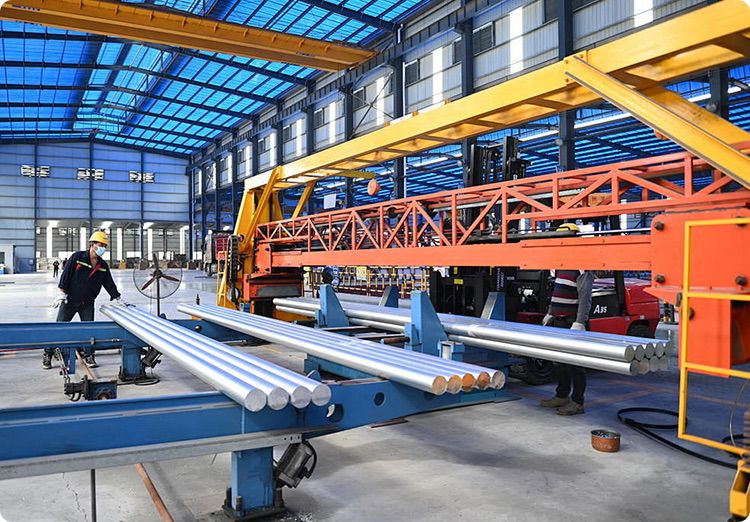
Aluminum profiles are widely used in construction, transportation, electronics, and industrial manufacturing due to their lightweight, high strength, and corrosion resistance. However, the appearance of raw aluminum is monotonous and easily affected by oxidation, making "painting" a crucial step in giving aluminum profiles their "soul." As a company deeply involved in aluminum profile painting workshops , we have witnessed the industry's profound transformation from pursuing mere "coloring" to pursuing "low-carbon, intelligent, and ultimate aesthetics."I. Core Processes: From Powder Coating to Fluorocarbon CoatingAluminum profile spraying is not merely a physical coating, but a combination of chemistry and processing. Currently, mainstream workshops typically encompass two core technology paths:
Powder coating : This is currently the most widely used process. It uses electrode attraction to adhere powder coating to the surface of aluminum. Its advantages include high environmental friendliness (extremely low VOC emissions), rich colors, and wear resistance. In our workshop, by using automated vertical spraying lines, we can achieve extremely high coverage and color uniformity.
Fluorocarbon coating (PVDF) : For high-end curtain walls or harsh outdoor environments, fluorocarbon coating is the industry standard. It has excellent weather resistance and color retention, and can withstand long-term UV exposure and acid rain erosion.
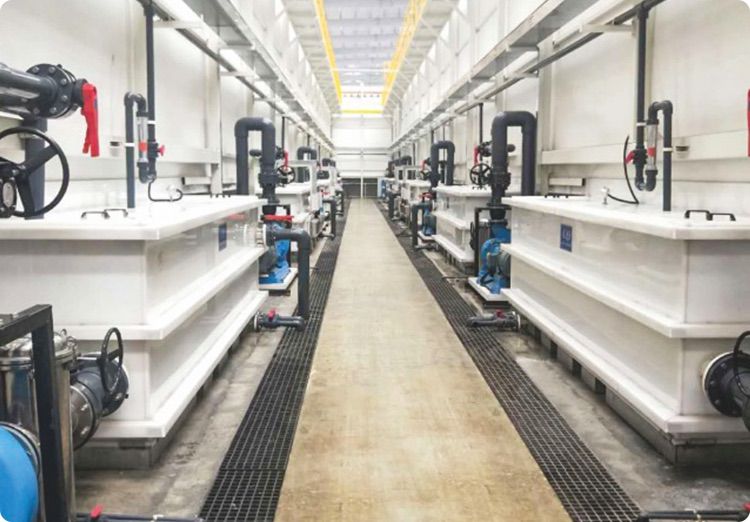
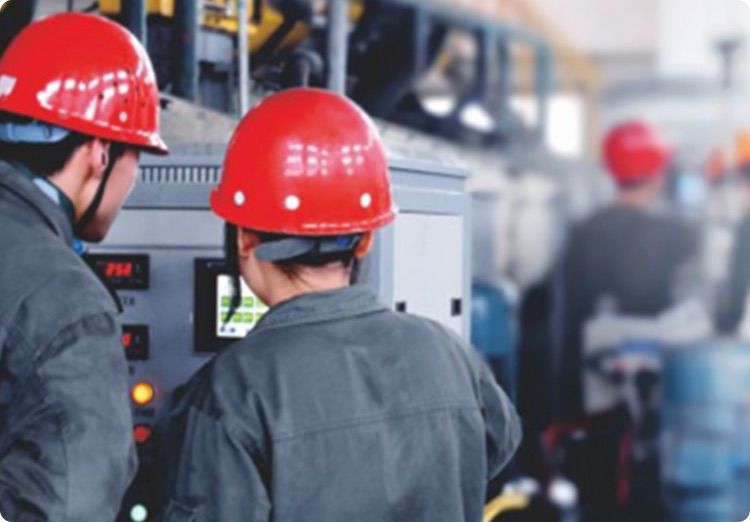
II. Three Standards for Modern WorkshopsA competitive aluminum profile coating workshop is no longer just about a few spray guns and ovens; it needs to meet the following standards:1. Stringent requirements for pretreatment"Seven parts pretreatment, three parts spraying." The degreasing, rust removal, and chromating (or chromium-free conversion) treatment of the aluminum surface directly determines the adhesion of the coating. Modern workshops must be equipped with closed-loop circulation systems to ensure stable bath parameters and prevent the formation of oxide scale that is difficult to see with the naked eye on the aluminum surface.2. Automation and Intelligent ManufacturingManual spraying is gradually being phased out. Through reciprocating automatic spraying systems and online color difference monitors , we can control the defect rate to below a certain level. A digital management system (MES) can track the entire process of each aluminum piece from its initial application, pretreatment, spraying, curing, to its final output in real time, achieving quality traceability.3. Environmental friendliness and green transformationWith increasingly stringent environmental policies, painting workshops must be equipped with comprehensive powder recovery systems (large cyclone recovery systems) and waste gas treatment facilities. Highly efficient powder recovery rates (reaching over 90%) not only protect the environment but are also core means of reducing production costs and enhancing competitiveness.III. Industry Trends: Deep Integration of Aesthetics and FunctionThe current aluminum profile market is showing a clear trend towards "customization":
Matte and sandblasted effects : To cater to minimalist home decor styles, sandblasted powder and matte finishes have become market favorites.
Wood grain finish: This technique uses heat transfer or spraying technology to simulate the texture of real wood, preserving the durability of aluminum while satisfying visual aesthetics.
Antibacterial and thermal insulation functions : In the field of public facilities, coatings with antibacterial properties are becoming increasingly popular; while thermal insulation coatings combined with thermal break aluminum technology are key to green buildings.